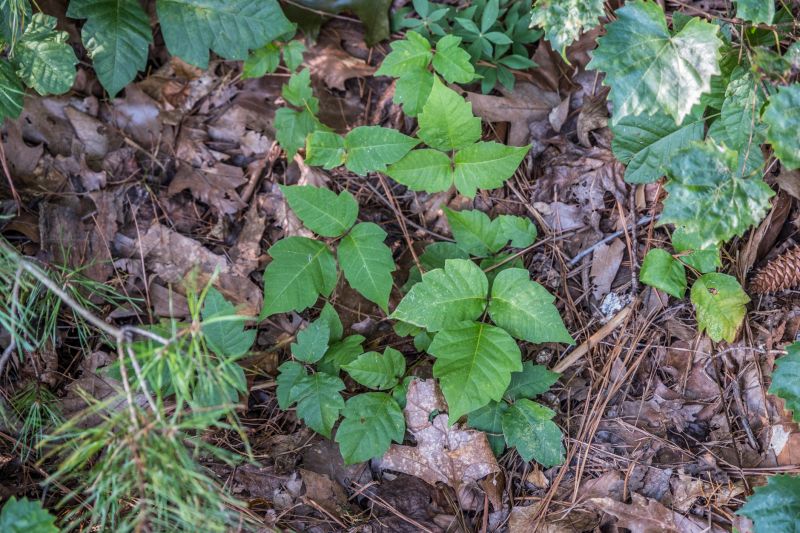
Poison Oak Removal in Harford County, MD
Poison oak removal services focus on safely eliminating this invasive plant from residential properties, helping homeowners reduce the risk of skin irritation and allergic reactions. These services typically cover projects such as clearing poison oak from yards, gardens, wooded areas, or along fences and pathways. Property owners often seek this service when they notice poison oak spreading across their landscape, especially in areas frequented for outdoor activities or gardening, to ensure a safe environment for family and pets.
Before requesting poison oak removal, property owners should understand the extent of the growth and the location of affected areas. It is helpful to identify whether the plant has spread into hard-to-reach spots or dense patches that may require specialized equipment or techniques. Clarifying the scope of work and any specific concerns about surrounding plants or structures can assist in planning an effective removal process. Proper knowledge of the plant’s presence can ensure the removal is thorough and reduces the likelihood of regrowth.
Many property owners in Harford County, MD look into Poison Oak Removal for repairs, replacements, upgrades, and appearance-related improvements.
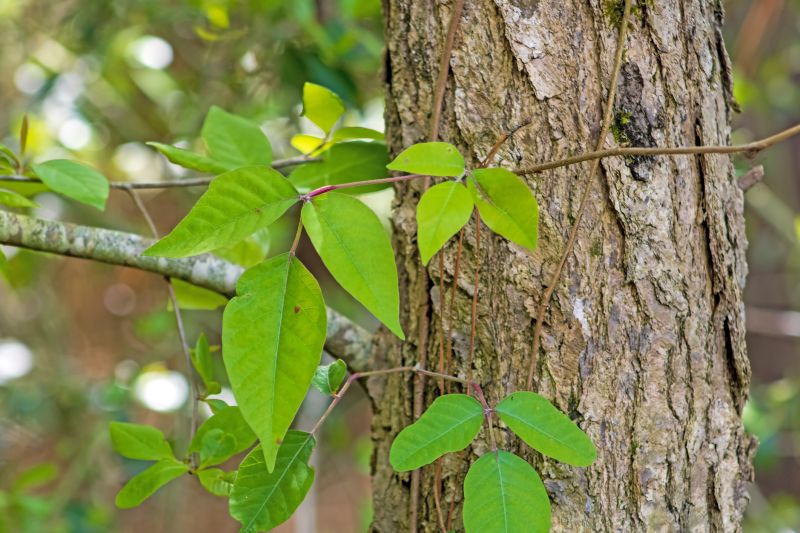
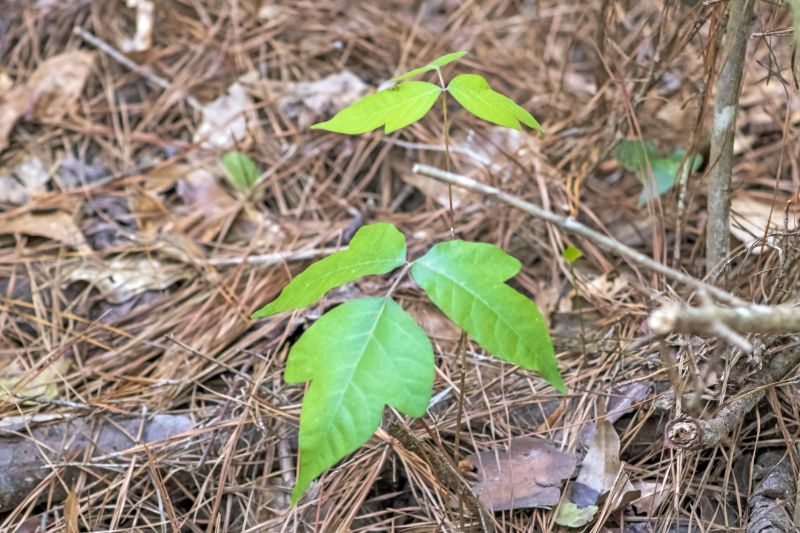
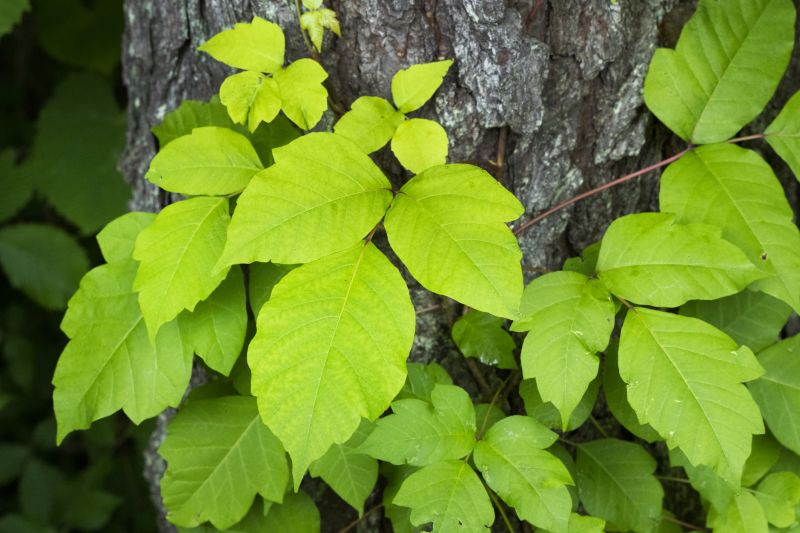
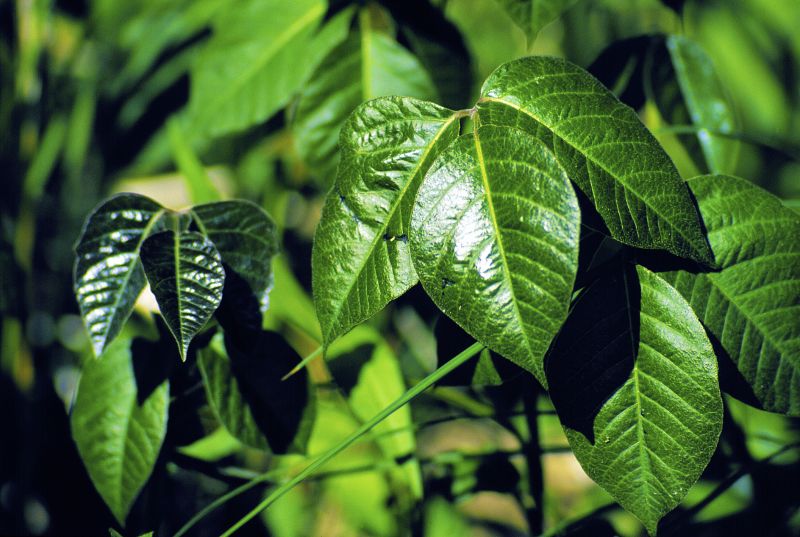
Poison Oak Identification
Understanding the appearance of poison oak helps prevent accidental contact on residential and commercial properties.
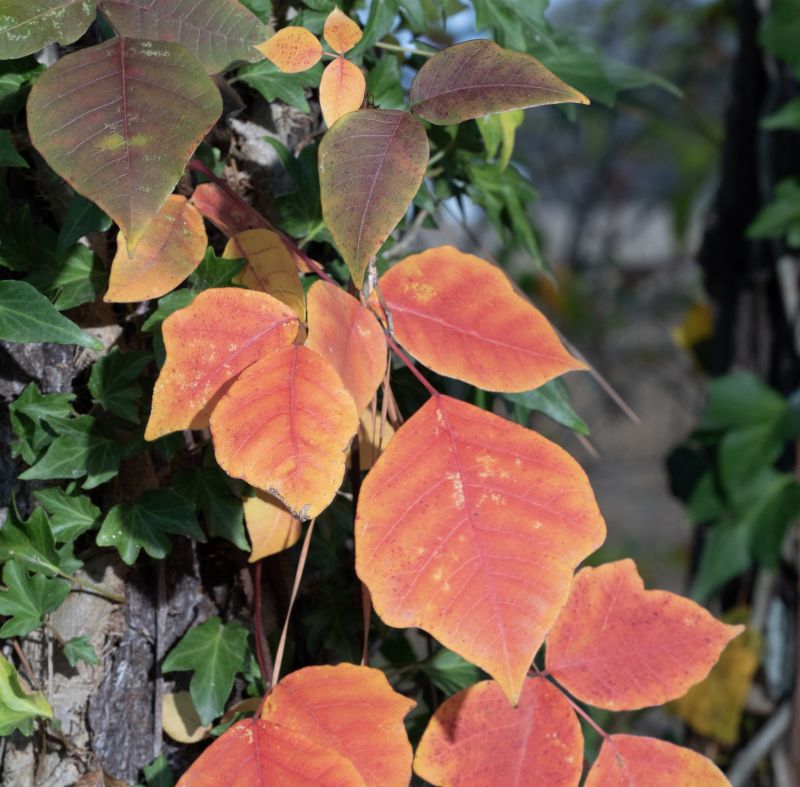
Health And Safety Precautions
Proper removal reduces the risk of skin irritation and allergic reactions for property owners and visitors.
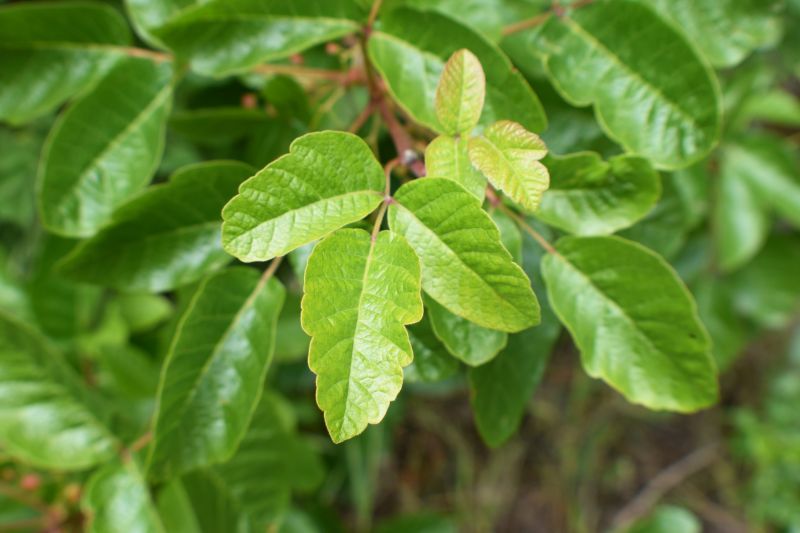
Professional Removal Solutions
Expert services ensure safe and effective removal of poison oak from yards, parks, and natural areas in harford county, md.
Poison Oak Removal in Harford County, MD

Poison oak removal services focus on safely eliminating this invasive plant from residential properties, helping homeowners reduce the risk of skin irritation and allergic reactions. These services typically cover projects such as clearing poison oak from yards, gardens, wooded areas, or along fences and pathways. Property owners often seek this service when they notice poison oak spreading across their landscape, especially in areas frequented for outdoor activities or gardening, to ensure a safe environment for family and pets.
Before requesting poison oak removal, property owners should understand the extent of the growth and the location of affected areas. It is helpful to identify whether the plant has spread into hard-to-reach spots or dense patches that may require specialized equipment or techniques. Clarifying the scope of work and any specific concerns about surrounding plants or structures can assist in planning an effective removal process. Proper knowledge of the plant’s presence can ensure the removal is thorough and reduces the likelihood of regrowth.
Many property owners in Harford County, MD look into Poison Oak Removal for repairs, replacements, upgrades, and appearance-related improvements.
Common Poison Oak Removal Jobs
Poison Oak Removal - safe clearing of poison oak from residential landscapes.
Poison Oak Removal - targeted treatment to eliminate toxic plants on private properties.
Poison Oak Removal - removal of poison oak to prevent skin irritation and allergic reactions.
Poison Oak Removal - professional clearing to restore safe outdoor spaces for families.
Poison Oak Removal - thorough removal to prevent regrowth and protect landscaping.
Poison Oak Removal - consultation on identifying and managing poison oak in yard areas.
Poison Oak Removal Questions
What are signs of poison oak on a property? Poison oak typically appears as clusters of leaves that are green in spring and summer, turning red or brown in fall. It may have a hairy or woody stem and can grow as a shrub or vine. Contact with the plant often causes skin irritation. Identifying these features helps determine if removal is needed.
Why should poison oak be removed from a property? Removing poison oak reduces the risk of skin irritation and allergic reactions for residents and visitors. It also prevents the plant from spreading to other areas of the property, maintaining a safer outdoor environment.
What methods are used for poison oak removal? Removal typically involves carefully cutting and pulling the plants, followed by proper disposal. In some cases, herbicides may be used to eliminate stubborn plants. Proper protective gear is recommended during removal to prevent skin contact.
When is the best time for poison oak removal? The ideal time for removal is during late fall or winter when the plant is dormant. This allows for safer handling and reduces the risk of spreading pollen or irritating sap during active growing seasons.
Request Poison Oak Removal in Harford County, MD
Use the quote form on this page to share the basics of your project and request more information for the type of work you need.